
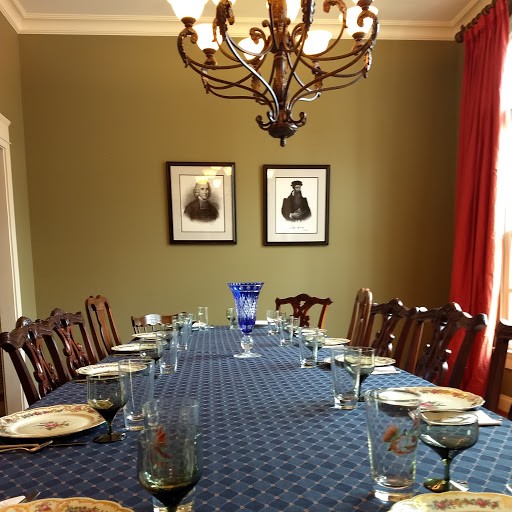
Occasionally, visitors or new members at Covenant Presbyterian Church (OPC) are not familiar with the practice of an annual pastoral visit. Much like seeing the dentist or doctor for routine check-ups, the annual pastoral home-visit seeks to promote the spiritual well-being of our members. So, what happens at a pastoral visit?
· Share a Meal Together: I usually like to eat with the family before the official visit. Dinner together provides a time of general socializing and fun before we get to the earnest business of the visit. The pastor can observe family dynamics and catch the latest family news about school, extra-curricular activities, upcoming events, etc.
· Prayer: The pastoral visit is not a mere social occasion, but a means of edification and blessing, which requires the Presence of the Holy Spirit to help. Start with prayer. Some families need exposure to the practice of family worship too. Singing a psalm or hymn together may help them see that they can do it.
· Biblical and Theological Review: I always begin with the children when they are present in the home. With parents in the room, I ask thirty minutes to an hour of questions about Scripture and theology. I often use the Westminster Confession and Catechisms for the theology review. Youngest children, of course, get more elementary questions (Who made you? Who are our first parents? Did they obey God in the garden?). If one child struggles for an answer, I will open the floor for others to help. I also will ask questions from the Bible: What is Psalm 23 about? Can you name the first five books of the Bible? Name the Ten Commandments in order. Some years I may emphasize a theme such as ecclesiology, where we discuss all things related to the church. Another year I gave a Psalm exam, where I read more familiar verses from the Psalm and asked them to tell me the number of the Psalm.
· Questions and Prayer Requests: After examining the kids, I will ask them if they have particular questions for me about anything related to theology or church practice. Then I take prayer requests from the kids and pray for them.
· Talk Alone with Parents: After praying for the kids, I dismiss them (out of hearing) to spend time with Mom and Dad to discuss how they are doing. I generally cover the topics of marriage, development of the children, special family needs/concerns, prayer requests. I also ask if they have any questions for me or the session related to anything concerning the church.
· Prayer: Finally, pray for the families and the matters discussed. Share your appreciation for the family and their involvement in the congregation.
 ADELBERT INK.